Los Angeles. The city of reinvention. Trendy, new neighborhoods, fresh obsessions (daily) and more. But some LA places just hold. They outlast the trends, weather the decades, and simply endure. Here's our love letter to the ones that stick.
1. Cultural Anchors That Haven’t Lost Relevance
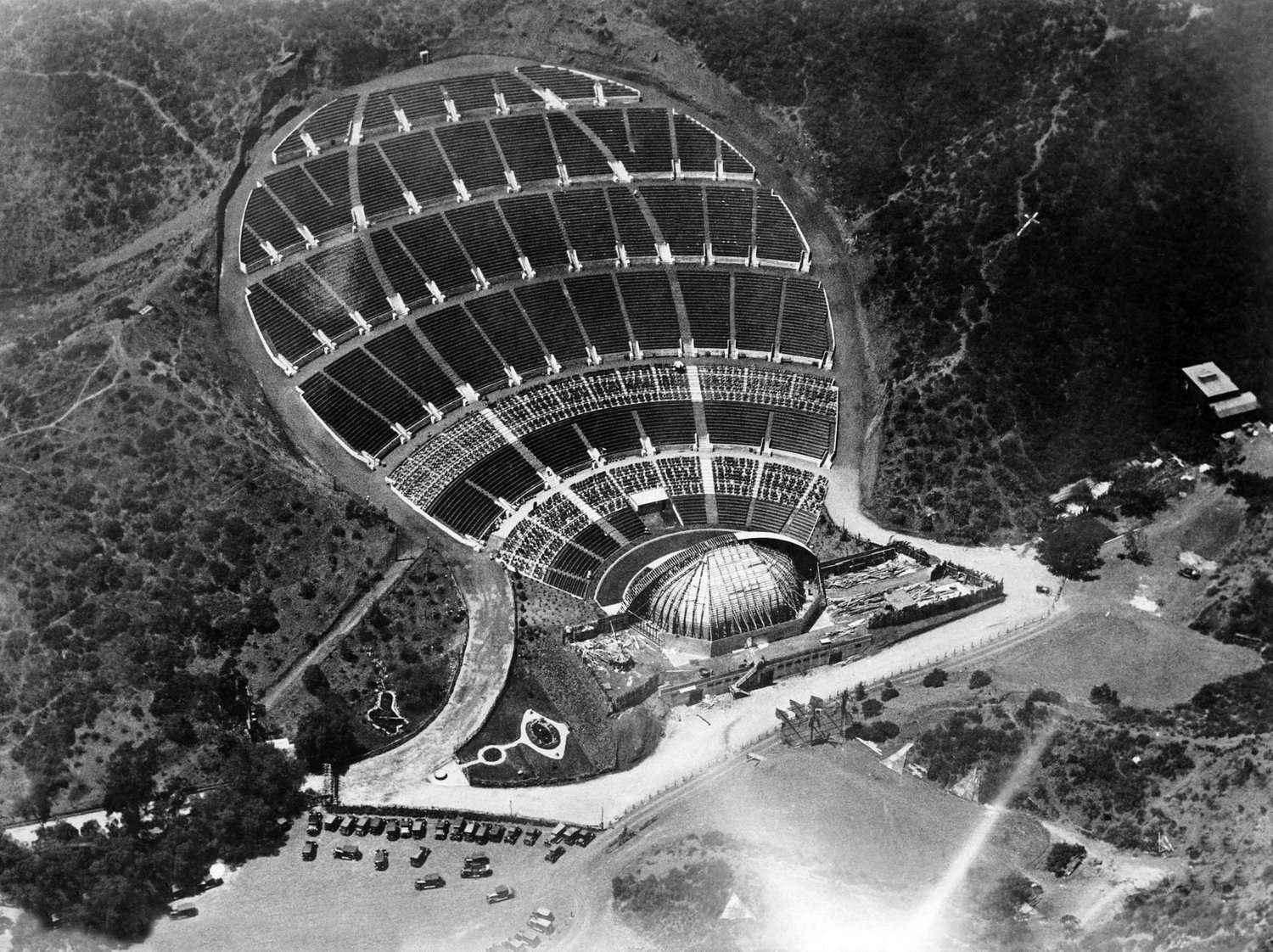
The Hollywood Bowl
The Hollywood Bowl has been hosting concerts under the open sky since 1922, making it one of the oldest and largest natural amphitheaters in the world. From the LA Philharmonic to Ella Fitzgerald to the Beatles, the list of who has performed here reads like a century of American music history. But what makes the Bowl endure isn't just the programming — it's the ritual. Bringing your own picnic, settling into your seat as the hills go dark and the music starts. It's one of those experiences that feels distinctly, irreplaceably LA.
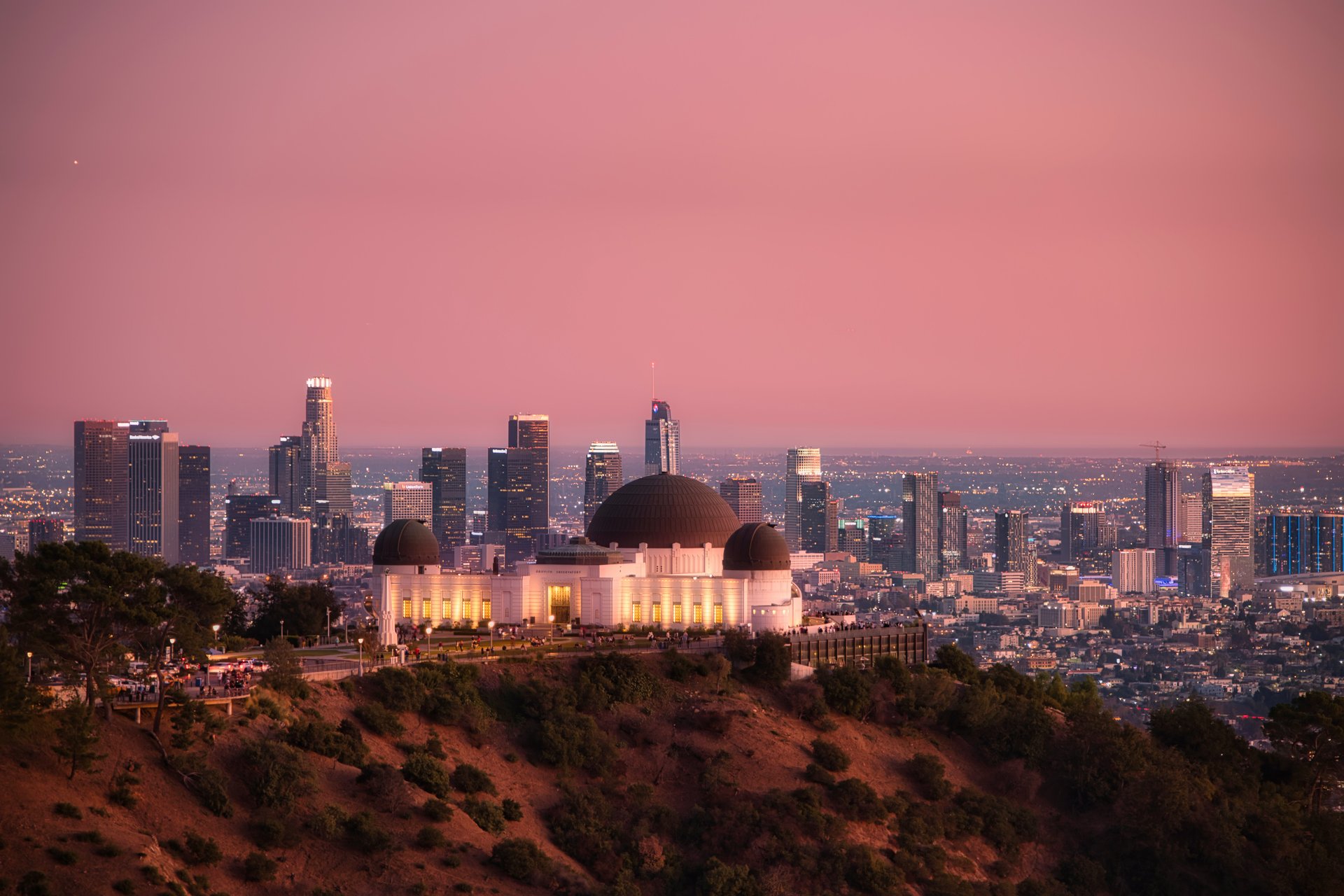
Griffith Observatory
Griffith J. Griffith donated the land in 1896 believing that public access to the night sky was a civic right. The Observatory opened in 1935 and has been delivering on that ever since — no reservations, free telescopes, open to anyone willing to make the hike. In a city that can feel relentlessly stratified, that matters. It also doesn't hurt that Art Deco done right ages better than almost anything.
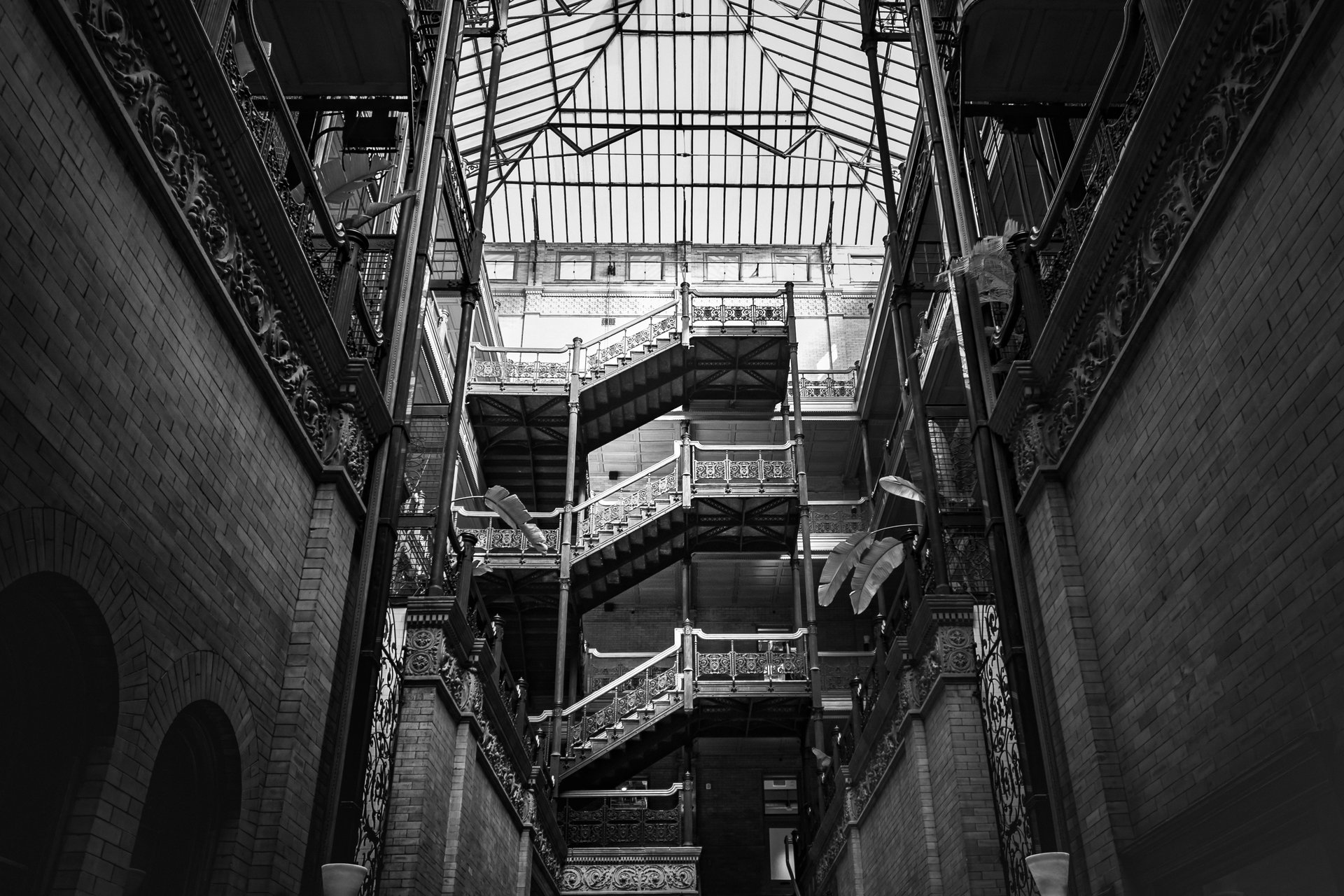
Bradbury Building
The Bradbury Building is restrained red brick from the outside, with nothing that prepares you for what's inside: a five-story atrium with ornate cast iron, glazed yellow brick, open cage elevators, and a glass ceiling flooding the space with Southern California light. It opened in 1893 and is still an active office building today. It's been a film location so many times — Blade Runner being the most famous — that it's become almost mythic. In person, the mythology earns its keep.
2. Old Hollywood Institutions That Still Anchor the City
Musso & Frank Grill
Opened in 1919, Musso & Frank is the oldest restaurant in the city and arguably the most celebrated. Musso's has been doing basically the same thing for over a century: tucking you into red leather booths, many inhabited by old Hollywood (the maitre'd will be sure to let you know), wait staff smartly dressed in black jackets, and the best martini in town. Raymond Chandler drank here. Faulkner rewrote scripts at the bar. The place carries history without being precious. What it teaches us about LA: longevity isn't accidental. It's the product of staying true to your intention, even when the block outside keeps changing its mind.
El Cholo
When Rosa and Alejandro Borquez opened a small café on Western Avenue in 1923, they were serving enchiladas and flour tortillas from Rosa's family recipes out of Sonora, Mexico — and introducing Los Angeles to what would become its most enduring culinary love affair. El Cholo is the city's oldest Mexican restaurant, still family-owned a century later. The flagship on Western is where it all began, and you can feel it. The green corn tamales have been on the menu since 1927. Some places earn their legacy one plate at a time.
3. Mid-Century Residences: Unending Inspo for Today’s Homes
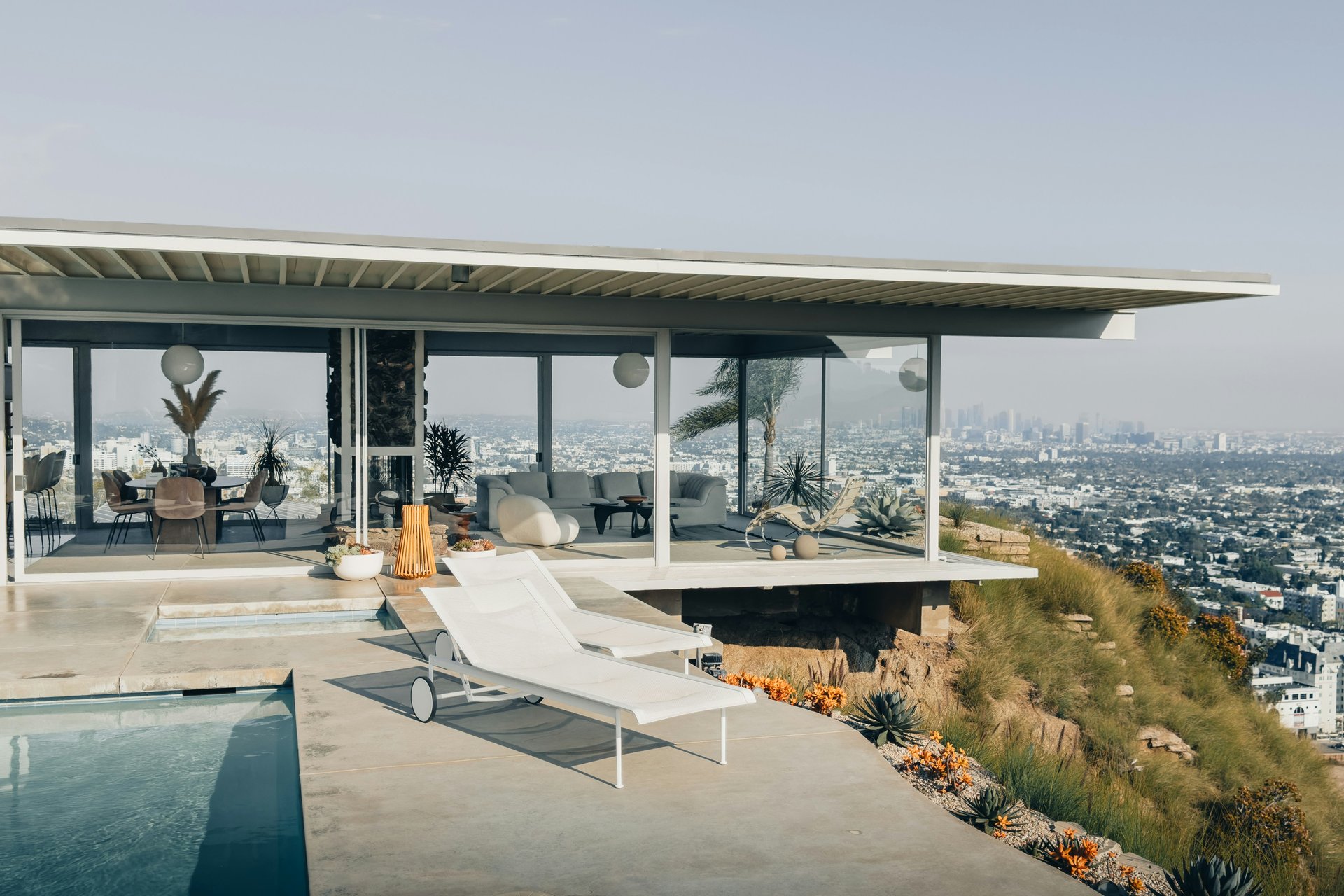
Case Study Houses
From 1945 to 1966, Arts & Architecture magazine commissioned architects like Neutra, Eames, Ellwood, and Koenig to build modern homes for the postwar American family. Steel frames, glass walls, flat roofs, open plans — a vocabulary that still defines what "modern" means in LA real estate today. Pierre Koenig's Stahl House is probably the most photographed home in Los Angeles. That image of a glass box cantilevered over the city at night is the whole program distilled into a single frame. They were built for optimism, and they still feel that way.
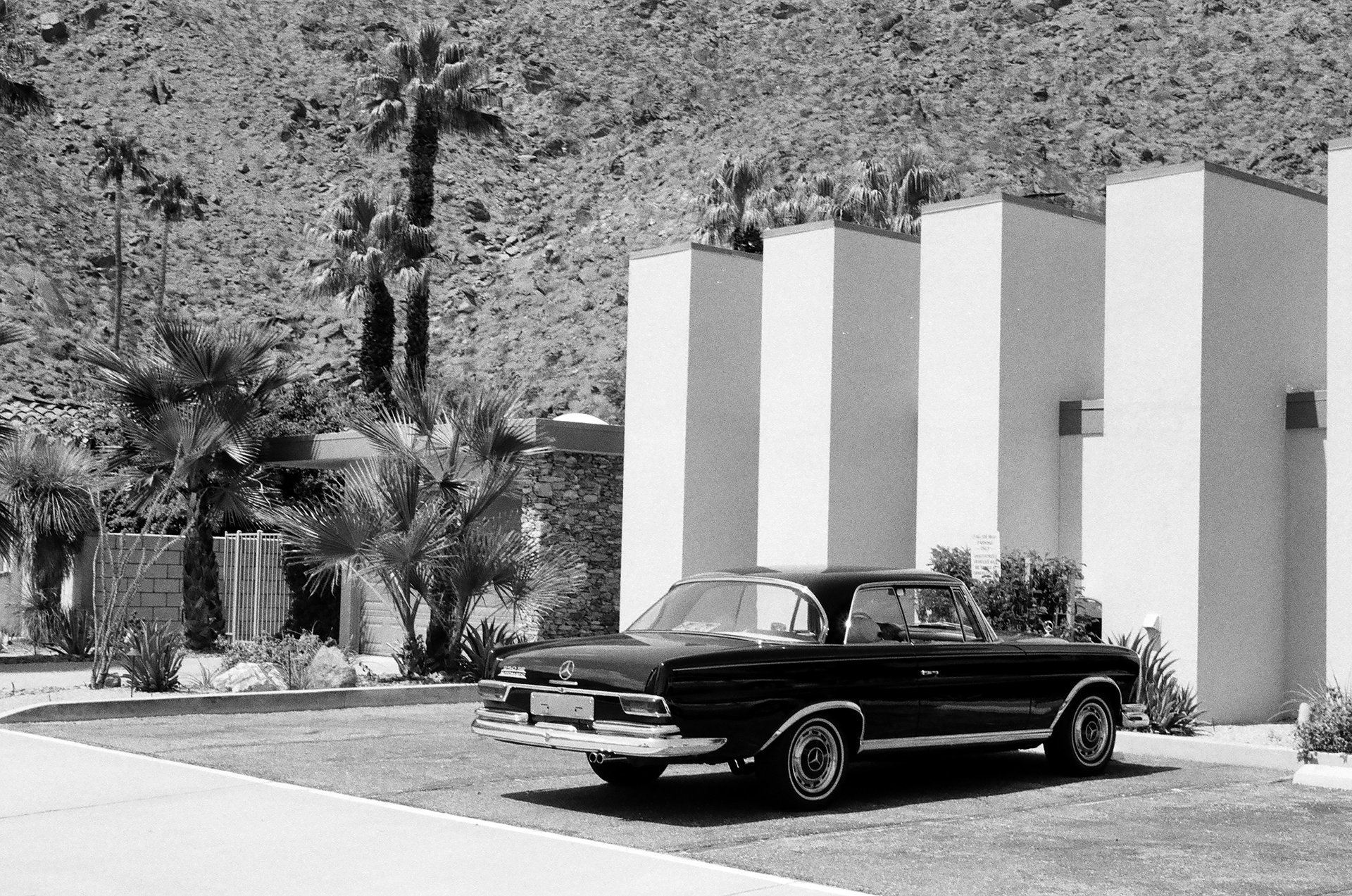
Palm Springs as a regional design extension
The same architects shaping LA took their vocabulary out to the desert — and the desert sun, scale, and light pushed it somewhere new. Longer overhangs, bigger glass, pools that felt part of the landscape. Krisel and Frey baked modernism until it became something distinctly its own. Palm Springs, with its LA mid-century influences, remains a classic and desirable living environment. Great design holds value.
4. Neighborhood Texture That Still Feels Authentic
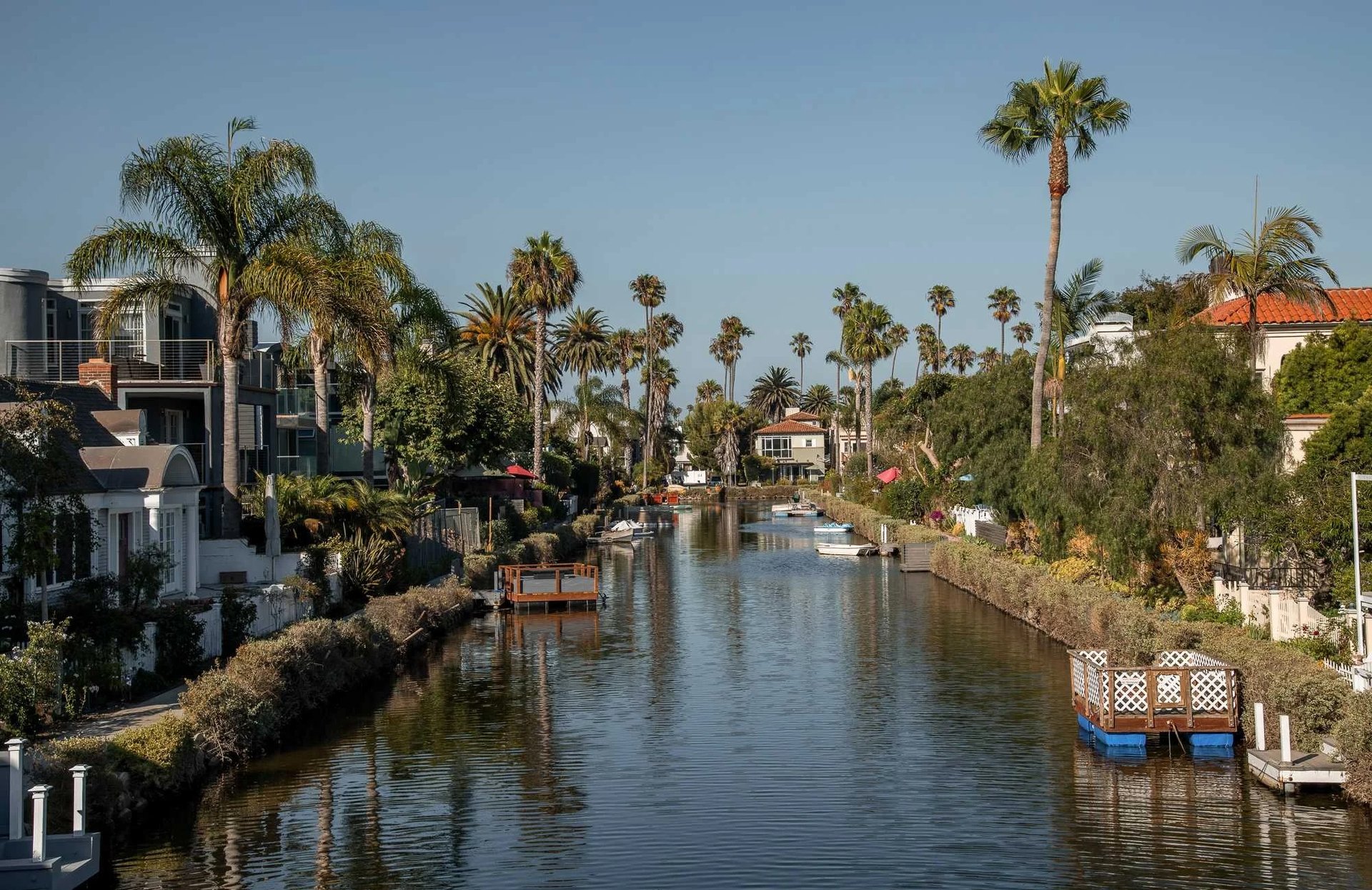
Venice Canals
Abbot Kinney built the canals in 1905 as part of an audacious plan to recreate Venice, Italy, on the Southern California coast — complete with gondoliers, arched bridges, and a network of waterways. Most of it was eventually paved over, but six blocks survived. Today they exist at a pace the rest of Venice has largely left behind, with some of the tightest inventory on the Westside. In a neighborhood that's gotten more popular over the years (case in point: our listing at 232 Carroll), the canals have stayed themselves. That's worth something.
232 Carroll Canal
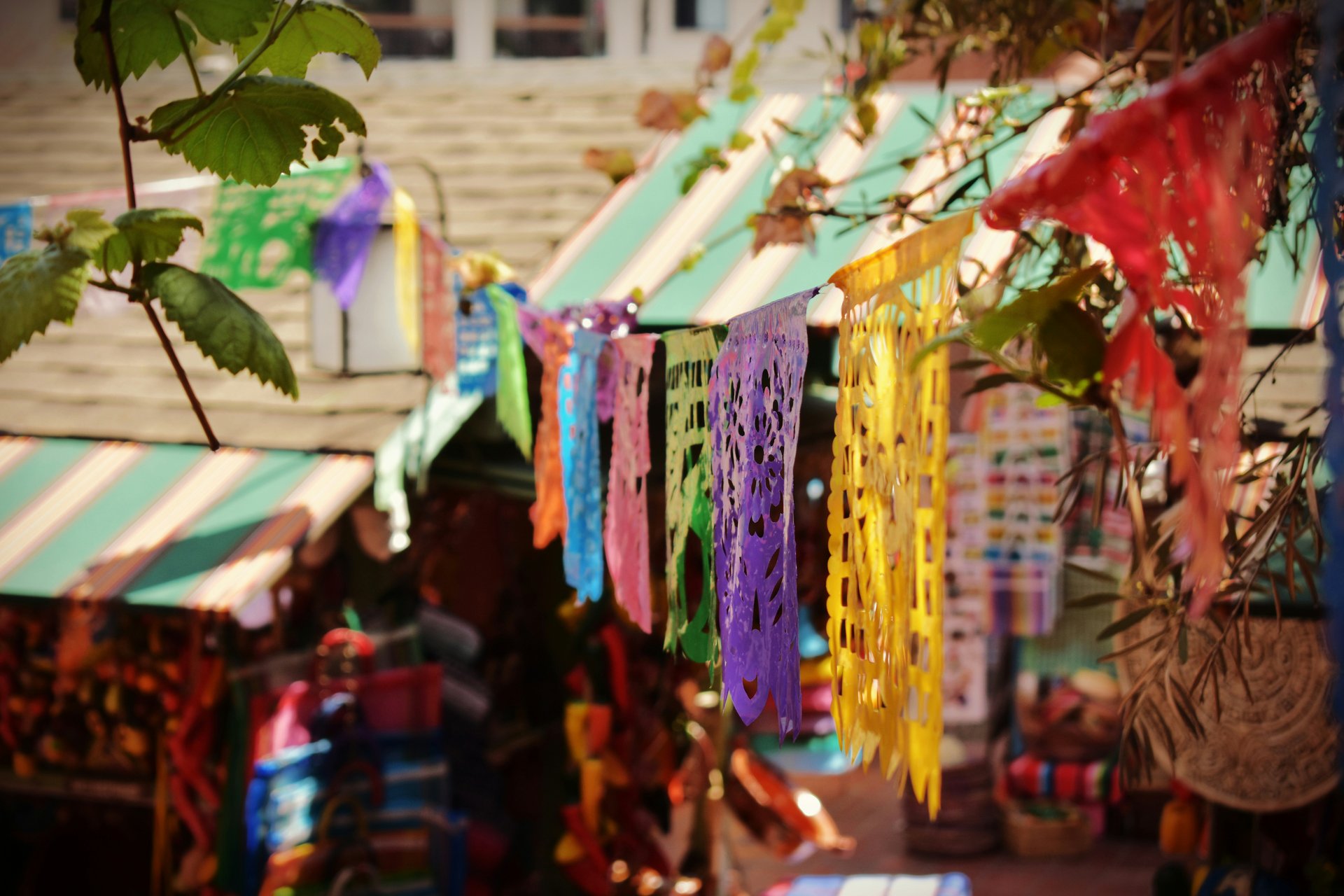
Olvera Street
The oldest part of Los Angeles — the original pueblo settlement dates to 1781. Today it's a pedestrian market of Mexican crafts, food stalls, and adobe buildings that predate California statehood. Touristy, yes. Also genuinely irreplaceable. The Avila Adobe (built around 1818) is the oldest surviving residential structure in the city. The birria and tamales are made by families who've been selling here for generations. Olvera Street is a good corrective for anyone who thinks of LA as rootless. The roots run deep — you just have to know where to look.
Why LA’s History Matters
These landmarks have earned their relevance over multiple decades — not through reinvention, but through quality and a clear direction. LA has more than its share of shiny and new, but it's also full of incredible historical moments if you know where to look. Time to add these places to your 'must-visit' or 'need to return' lists.