Change in LA shifts quietly — one new train stop here, one reworked street there, one neighborhood that feels different than it did a year ago. But some bigger changes are on the way. From major transit expansions to new housing policies and long-term planning tied to the 2028 Olympics, LA is in the middle of a transformation that’s already influencing how people move through the city — and where they want to live.
Here’s a quick, clear, at-a-glance insider's look at what’s changing, why it matters, and how it could shape real estate decisions in the years ahead.
Getting Around LA is About to Feel Different
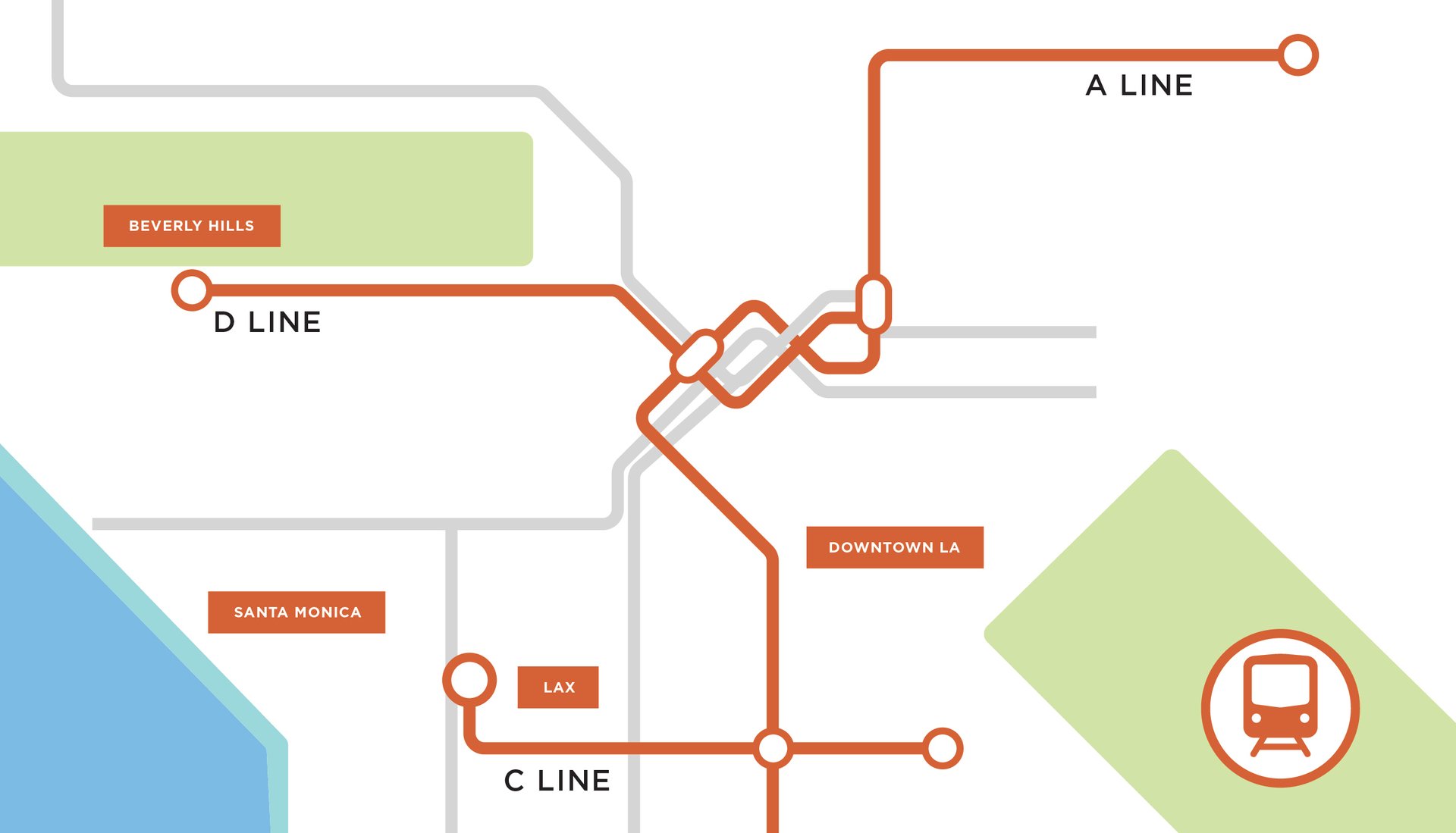
For a city long defined by car culture, transportation is one of the biggest stories unfolding right now. Several major transit and infrastructure projects are moving from “future plans” to real-world impact:
The D Line (Purple) Extension is bringing subway service deeper into Beverly Hills, improving access along one of LA’s most iconic corridors.
The A Line (Foothill) Extension now reaches all the way to Pomona, connecting more communities across LA County.
LAX is undergoing a major modernization, including a refreshed Tom Bradley International Terminal, as the city prepares for the 2028 Olympics.
LACMA’s transformation continues along Wilshire, paired with new public green space that’s reshaping the area around Museum Row.
Why this matters: better connectivity tends to bring more than convenience. Areas near transit improvements often see increased demand, stronger walkability, and new energy at the neighborhood level. Over time, that can influence everything from home values to how people choose where to live.
More Housing, More Variety & A Changing City Fabric
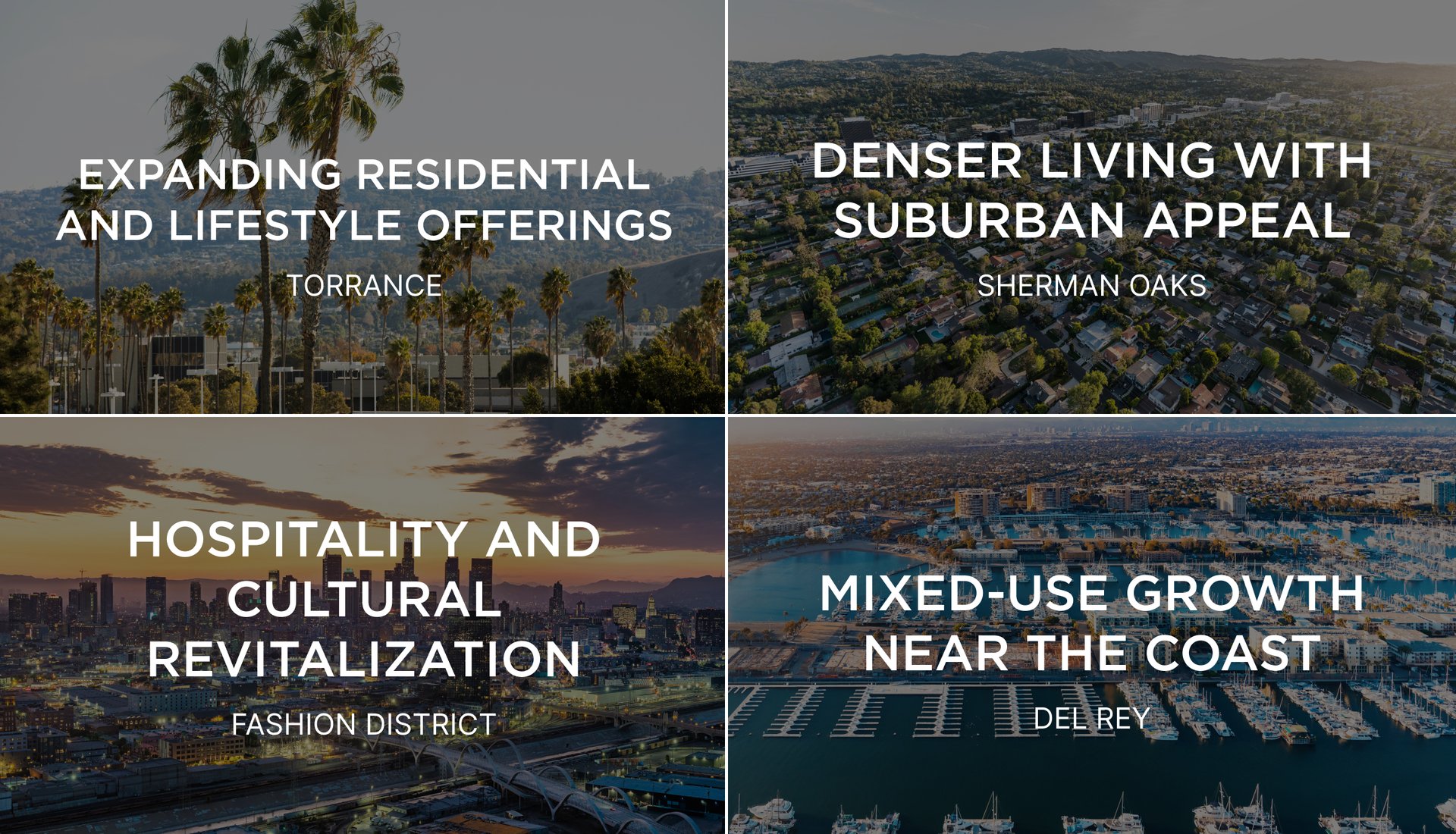
Housing is an area evolving quickly, even if it doesn’t always feel that way. Recent CEQA reforms and zoning changes are streamlining approvals and encouraging more efficient development, while updates to the city’s 34 Community Plans aim to support denser, mixed-use neighborhoods near jobs, transit, and amenities. At the same time, new projects are reshaping pockets of the city, including:
→ Del Rey
→ Sherman Oaks
→ Torrance
→ The Fashion District, with hospitality-driven projects like Mama Shelter bringing new attention and foot traffic
For buyers and sellers, this means:
→ More inventory coming online over time
→ Neighborhood dynamics that may look different than they did five or ten years ago
→ Increased importance of understanding where development is happening, not just how much
LA’s Economic Reality: A New Normal
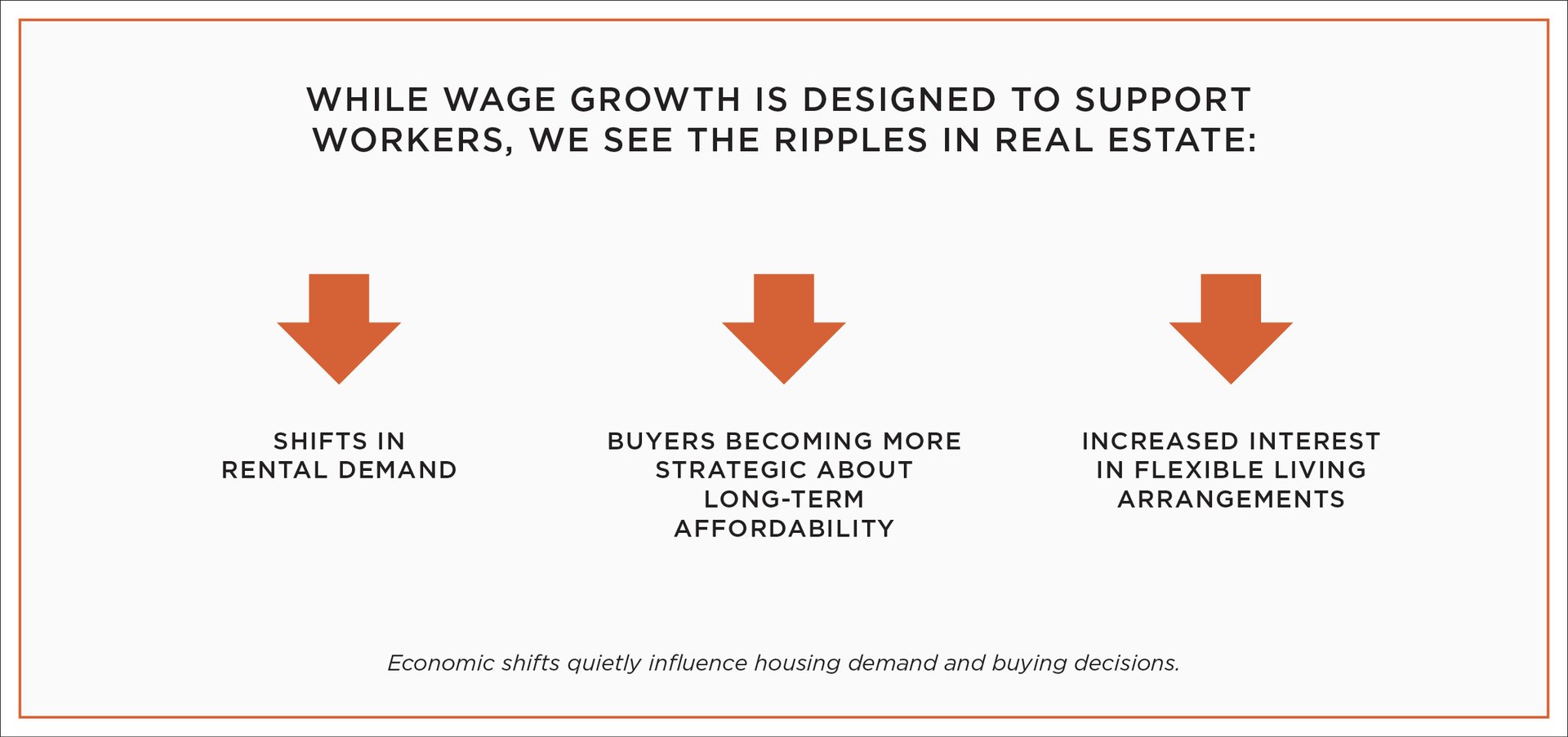
Policy and economics continue to shape how Angelenos live — and buy. As of 2025, the minimum wage in the City of LA has risen to $17.87/hour, with the statewide minimum at $16.90/hour. While wage growth is designed to support workers, it also ripples through housing costs, rents, and buyer behavior. For real estate, this often shows up in subtle ways:
→ Shifts in rental demand
→ Increased interest in flexible living arrangements
→ Buyers becoming more strategic about long-term affordability
Understanding these broader economic signals helps buyers and sellers anticipate movement, rather than react to it.
Sustainability Isn’t a Buzzword — It’s a Buying Factor
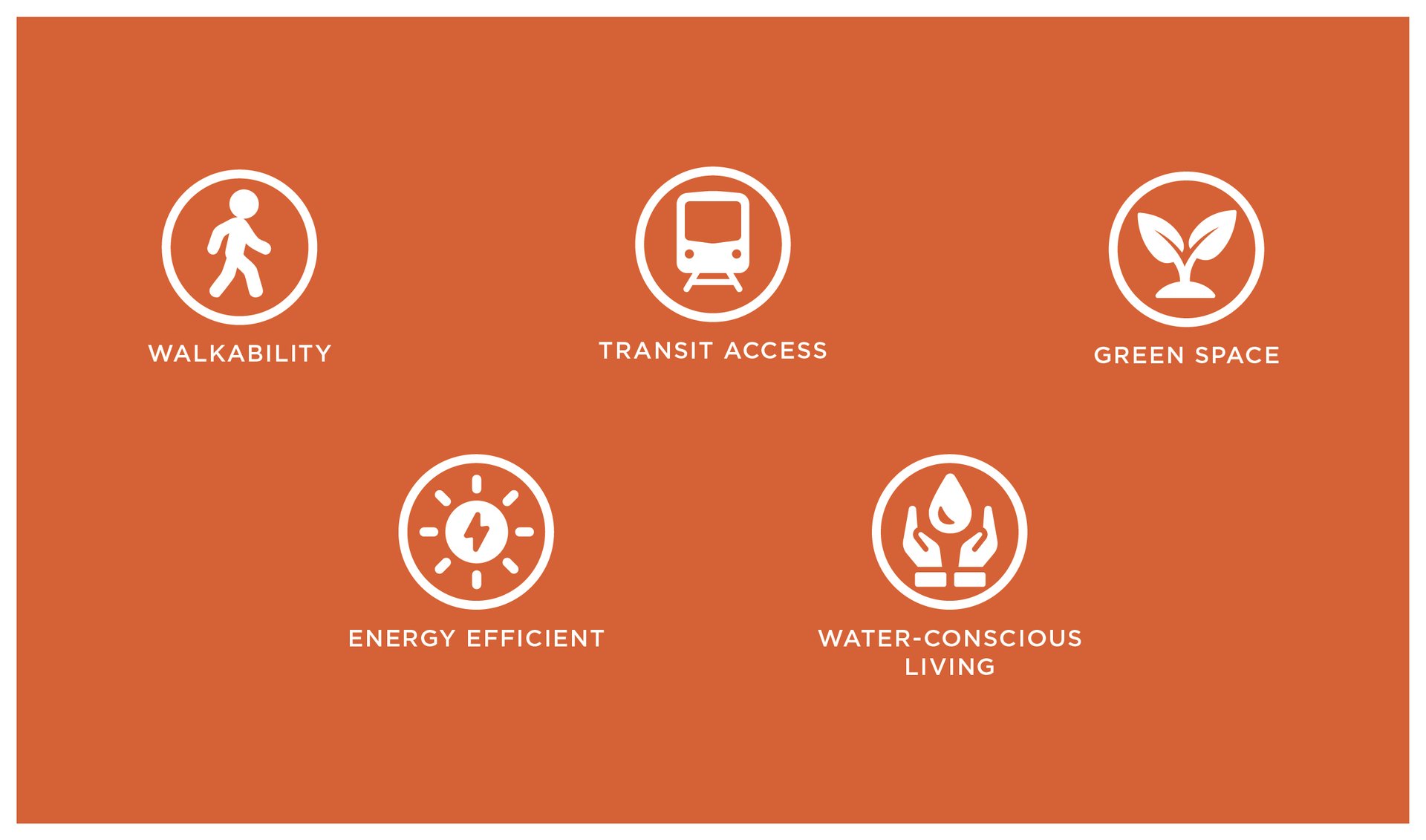
LA’s commitment to sustainability is becoming increasingly visible and relevant to real estate decisions. Initiatives like the Green New Deal and the LA County Strategic Plan (2024–2030) focus on clean energy, water recycling, waste reduction, and more resilient infrastructure. These efforts are shaping how neighborhoods are planned and how homes are built or updated. More and more, buyers are prioritizing:
→ Energy-efficient homes
→ Access to transit and walkable amenities
→ Green space and thoughtfully planned communities
What once felt like a “nice-to-have” is now a real factor in how people evaluate where they want to live.
Looking Ahead: The Olympics Effect
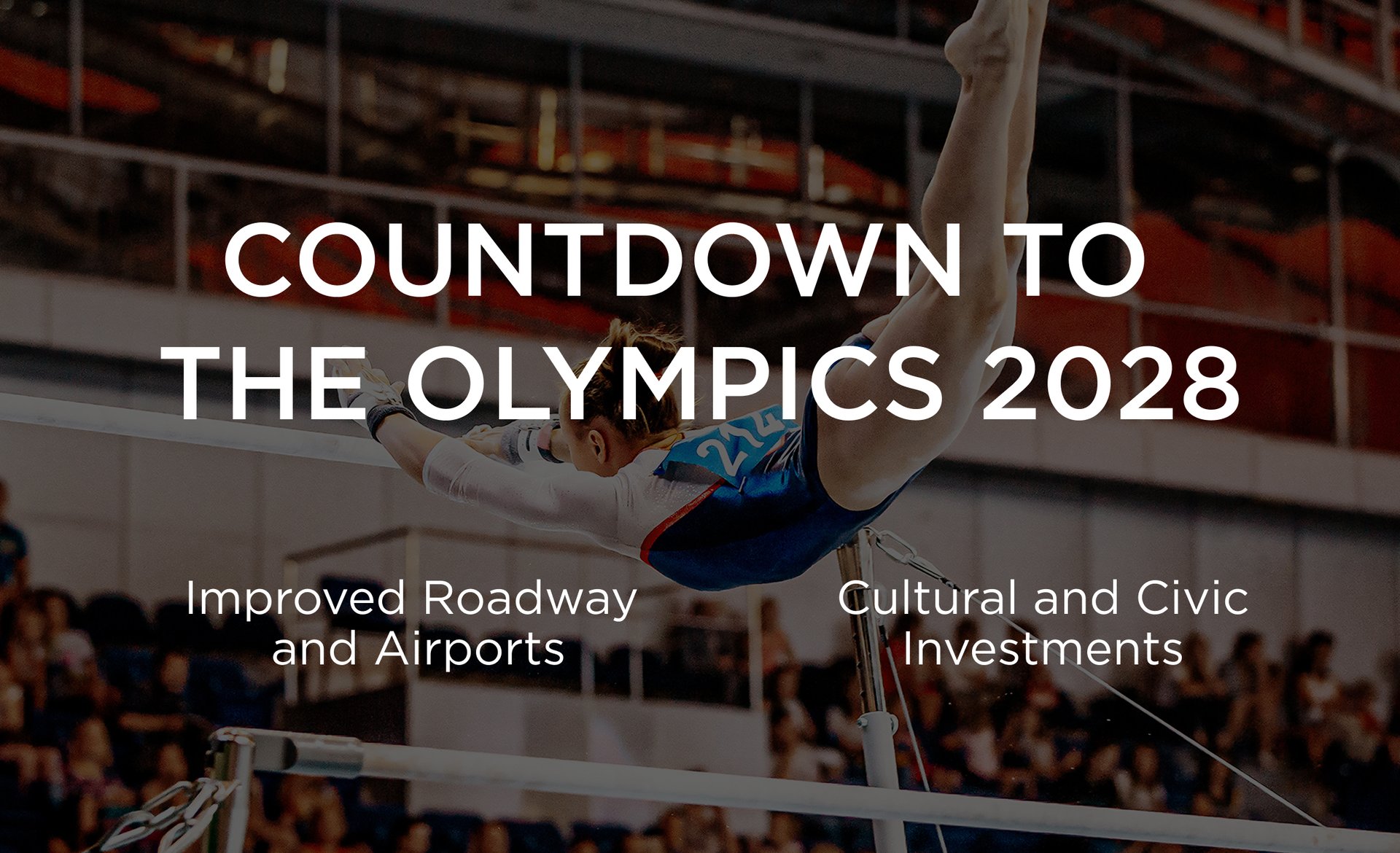
With the 2028 Olympics on the horizon, LA is accelerating projects that might otherwise have taken years longer to complete. That includes:
→ Transportation upgrades
→ Airport and roadway improvements
→ Investment in cultural and civic hubs
Historically, large-scale global events leave a long tail of infrastructure and neighborhood investment. For buyers thinking strategically, this creates opportunities to look ahead — especially in areas poised to benefit from lasting improvements rather than short-term hype.
The Big Picture
LA is evolving, but not in one sweeping moment. It’s happening project to project. For buyers, sellers, and investors, these shifts create opportunity — if you know where to look and how to read the signals. Understanding what’s coming can help you make smarter, more informed decisions in a city that’s constantly in motion.
At Smith & Berg Property Group, we keep a close eye on these changes and are educated and ready to advise. Real estate isn’t just about today’s market, it’s also about where the city is headed. Where do you want to live next?