The team at Smith and Berg Property Group spends a lot of time talking with buyers about square footage — and an accessory dwelling unit (ADU) has become one of the most practical ways to add space, versatility, and long-term value to an LA property.
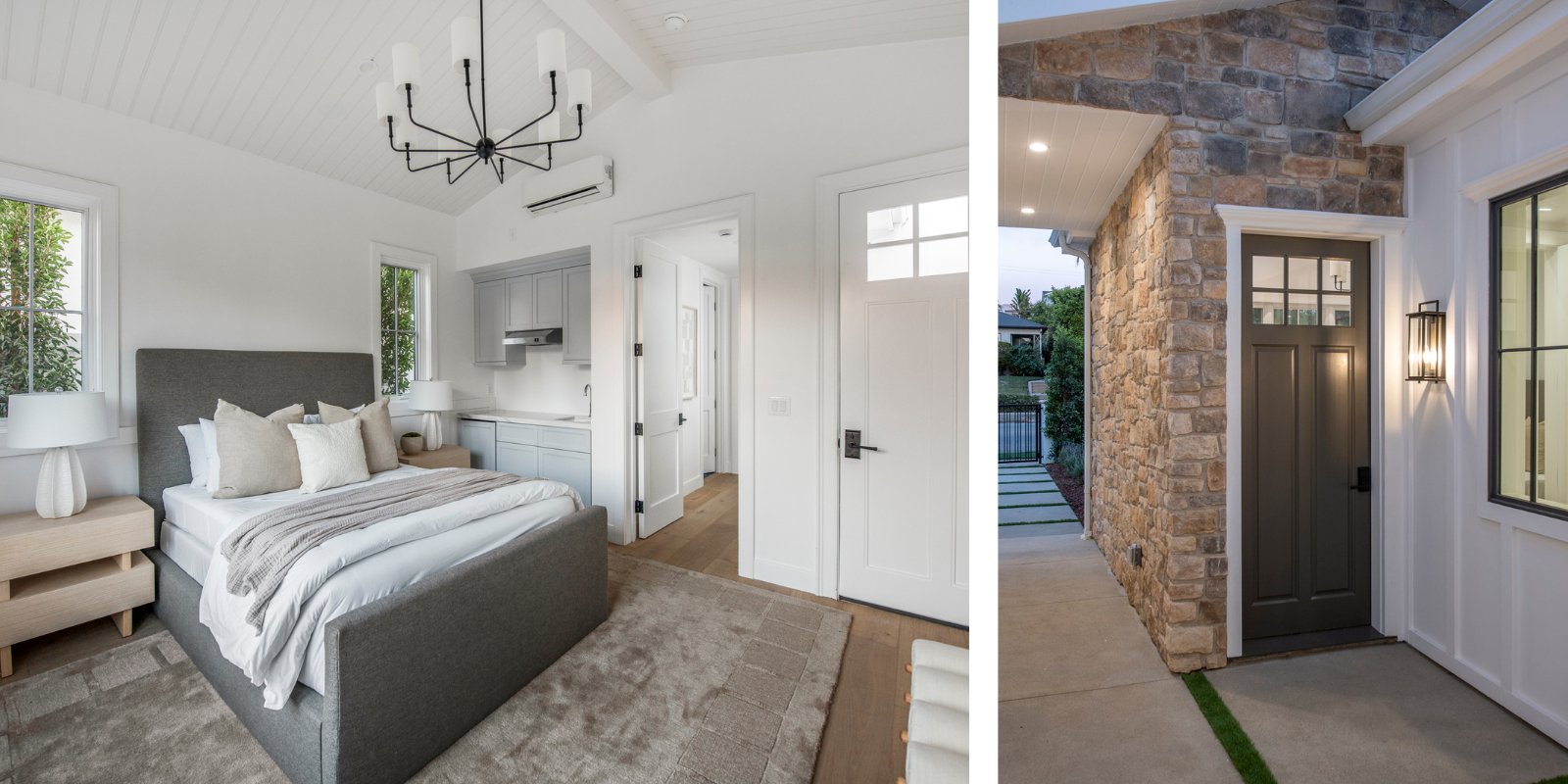
For many of our clients, it's about livability. A guest suite that doesn't feel like an afterthought, a home office with an actual door, space for parents who are getting older or kids who are staying longer. This flexibility may make your home life sweeter — and may make it more appealing to the next buyer when it comes time to sell. Let's get into it.
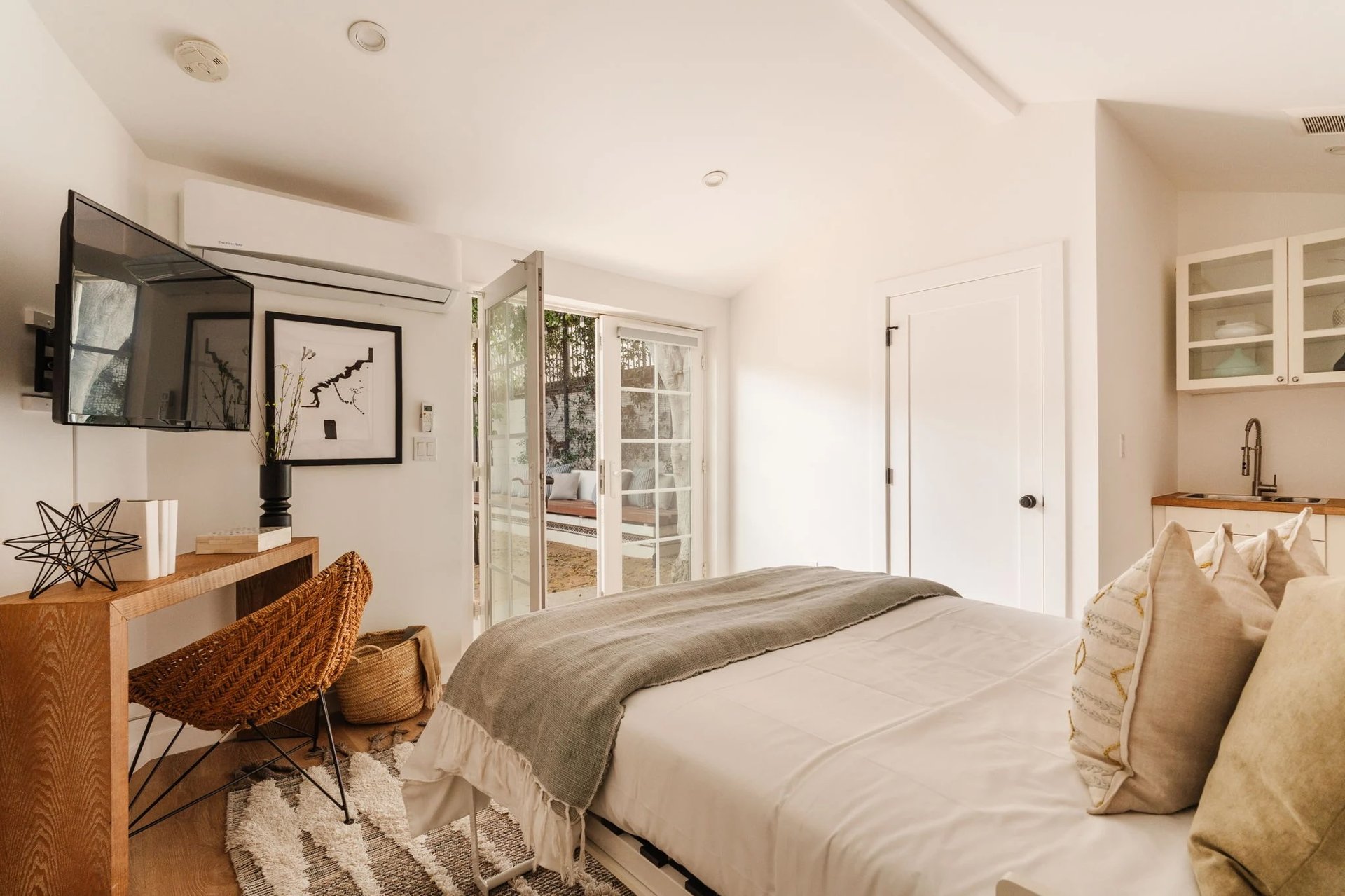
What an ADU Actually Costs
No two ADU projects are exactly alike, but here's where the numbers generally land in LA right now:
Garage conversion: $95,000–$225,000
Detached new construction: $200,000–$350,000+ for a one-story unit
Construction is running $300–$500+ per square foot across most of LA, with architecture, engineering, and project management adding roughly 10–20% on top. Budget accordingly.
The good news on permitting: it's gotten a lot less painful. Homeowners using the LADBS Standard Plan Program are seeing approvals in as little as three weeks. Ministerial approval, meaning no public hearings or discretionary review, is now standard for most projects. That's a meaningful change from even a few years ago. From design to move-in, plan for somewhere between six and eighteen months depending on scope, contractor, and how permitting shakes out.
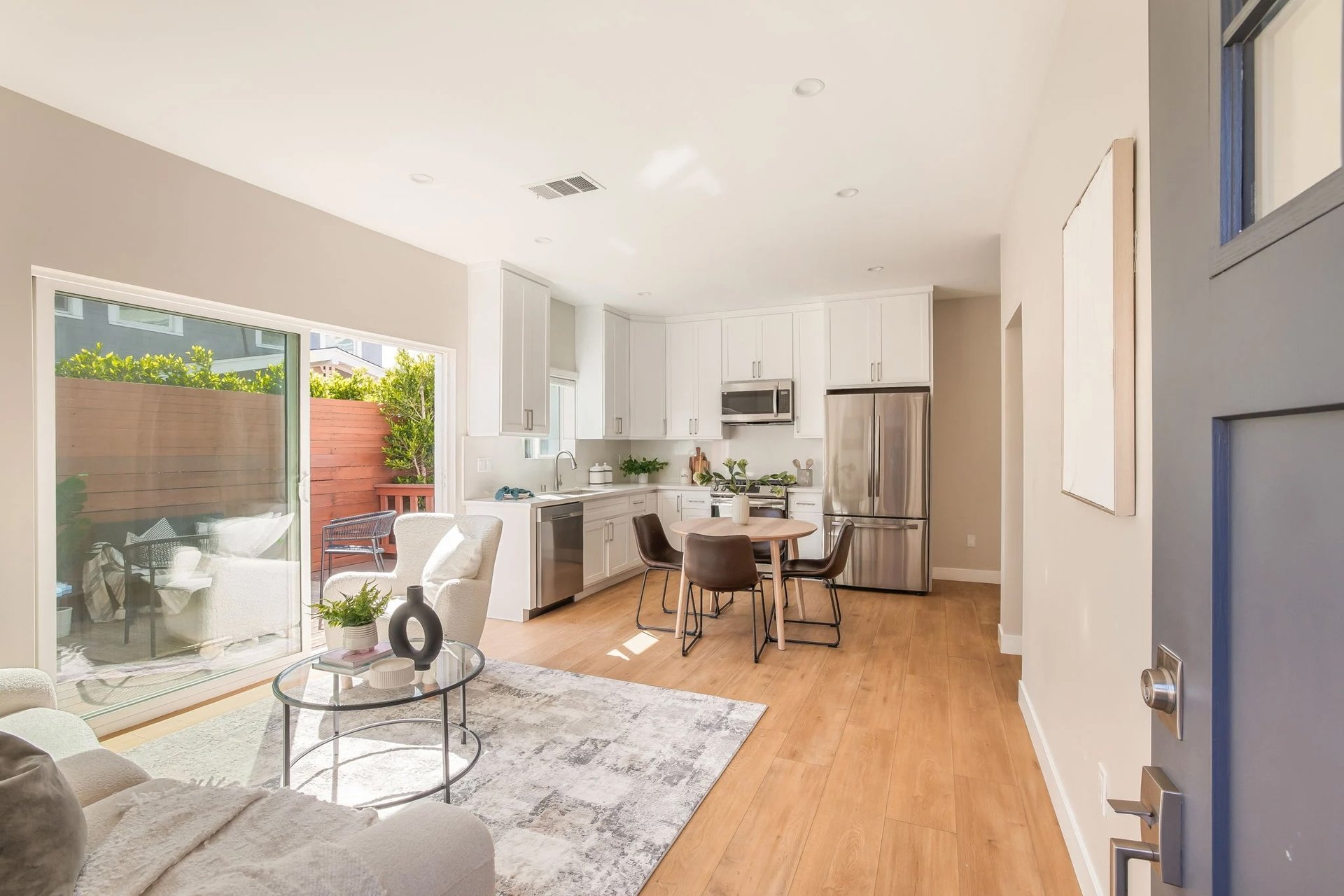
What It Does for Your Property Value
This is where it gets interesting. A UC Berkeley study found that homes with ADUs in LA sold for an average of 35% more than comparable properties without them. Across greater LA, well-built units are adding $200,000–$550,000+ to property values. More square footage almost always means more value. Full stop.
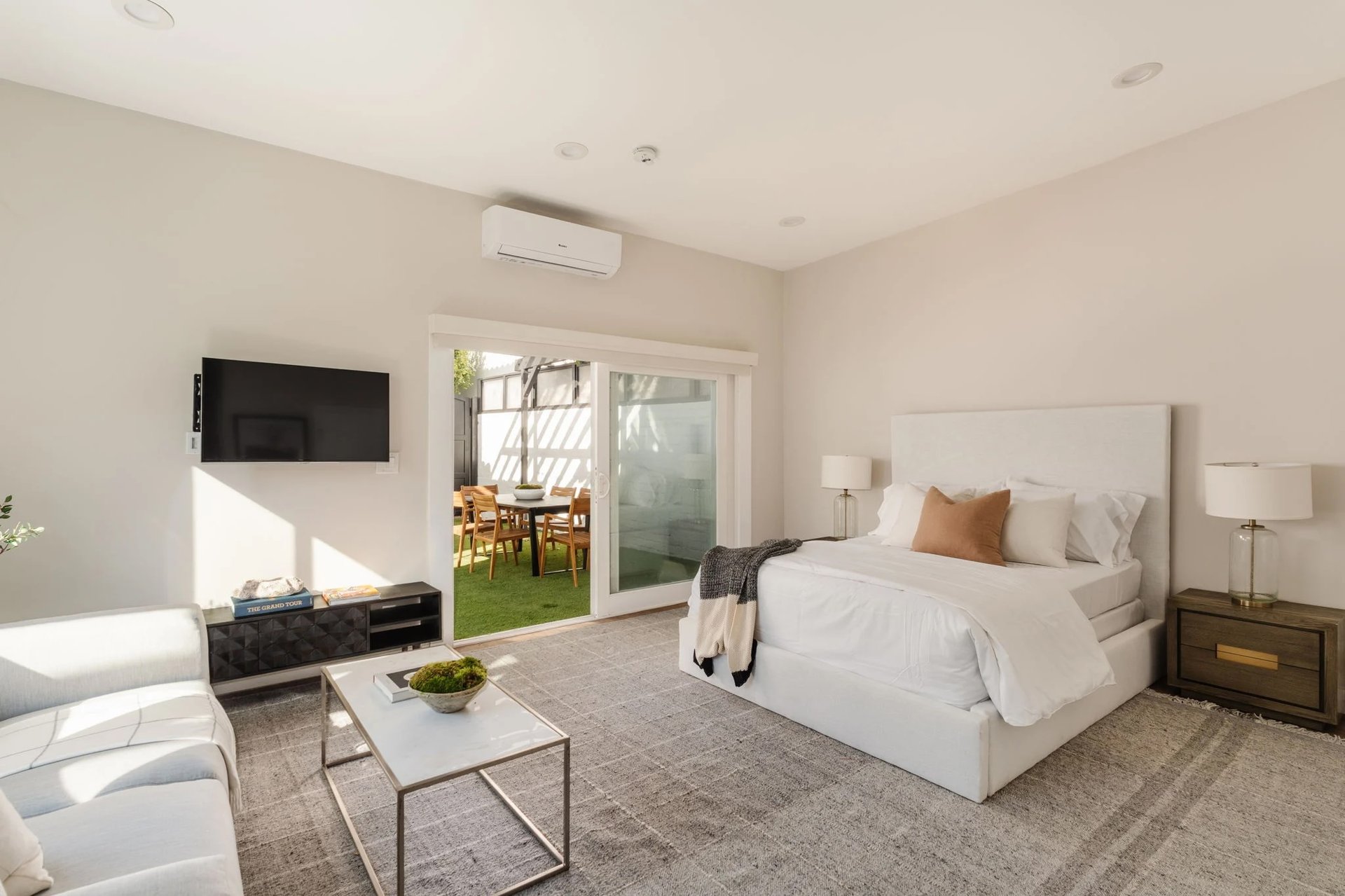
ADUs & New Construction: A Conversation with David & F. Ron
Building from scratch changes the equation a little. When you're in the design phase, you can incorporate an ADU into the project from day one: purpose-built, architecturally cohesive, and designed around how you actually intend to use it. David and F. Ron work with new construction clients regularly and have firsthand knowledge on how well this plays out. We asked them a few questions.
Who's typically bringing up the ADU conversation first during the new construction process — you or the client?
David Berg: The ADU conversation is usually driven by the client’s needs rather than introduced in every project. When homeowners want additional space, privacy, or accommodations for family, guests, staff, or a work-from-home setup, it becomes part of the discussion. We approach it case by case based on the client’s lifestyle, goals, and the property.
F. Ron Smith: It usually starts with the client. They’re working to create flexibility — whether for family, guests, staff, or general use. Once those needs are clear, the ADU naturally becomes part of the conversation.
What are clients actually building them for these days?
David Berg: We’re seeing ADUs used for multigenerational living, guest accommodations, home offices, fitness spaces, staff housing, and rental income. In new construction, attached ADUs are increasingly common, offering proximity with privacy.
When someone is already deep in a new build budget, how do you make the case for adding an ADU — and does it hold up at resale?
David Berg: We don’t position an ADU as a pure investment. It makes the most sense when it supports how the homeowner plans to live—whether for family, guests, work, or income. Building it during initial construction is often more efficient and cost-effective since site work, utilities, and permitting are already underway.
F. Ron Smith: The decision is less about return and more about use. If the homeowner will benefit from the space, building it upfront is almost always easier than adding it later. From a resale standpoint, that flexibility tends to resonate — it may not return every dollar, but it can broaden the buyer pool and make the property more competitive.
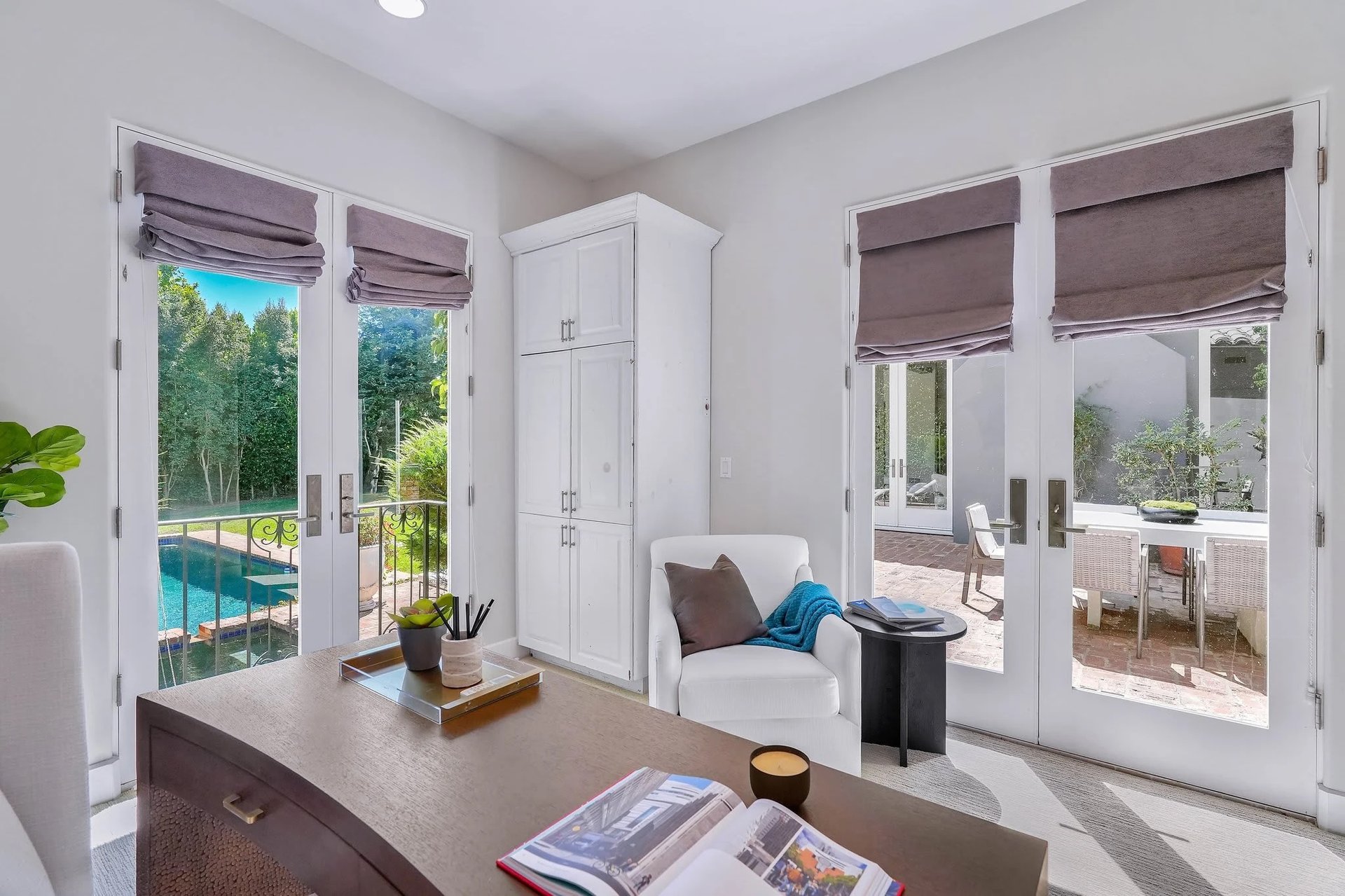
Worth Every Square Foot
An ADU is one of the few home investments that pays off twice: once in how you live, and again when you sell. In a city where land doesn't get cheaper and square footage is always in demand, adding usable space to your property is rarely a decision people regret.